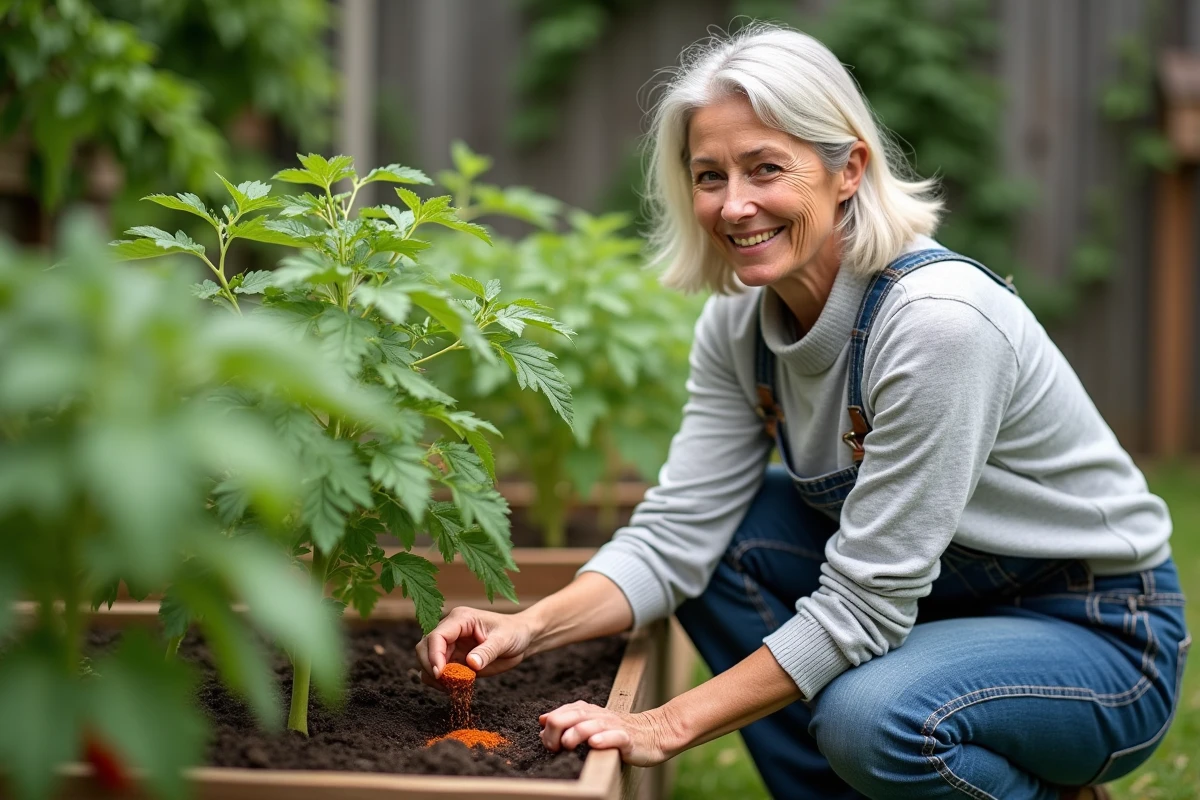
Experienced gardeners use paprika not only as a seasoning but also as an ally to boost the vitality of their crops. Unlike other spices, paprika acts on both soil quality and plant resistance, while remaining relatively unknown for this use.
This sweet pepper, once transformed into powder or infusion, offers unexpected resources to prevent certain diseases and stimulate growth. Its potential extends beyond the kitchen, involving simple and accessible practices to integrate into the daily maintenance of the vegetable garden.
Paprika and Peppers in the Garden: Origins, Varieties, and Benefits for Your Crops
Paprika intrigues more than one gardener: it combines tradition and ingenuity. Derived from the capsicum genus within the nightshade family, it shares the stage with bell peppers and chili peppers. Rooted for centuries in the lands of Southern Europe, it has found a favored home in Hungary, where the continental climate allows the fruits to ripen slowly, concentrating their aromas.
The diversity of capsicum annuum is reflected in the palette of colors and flavors, from the sweet softness of bell peppers to the aromatic power of a wood-aged spice paprika.
It is the amount of capsaicin, this well-known alkaloid, that marks the difference between bell peppers and chili peppers. The Scoville scale helps to place each fruit, from the mildest to the hottest, each with its own signature.
In the garden, paprika thrives in open ground, flourishing at the edges of flower beds or under cover, provided it benefits from rich, deep, and well-drained soil. Early sowing, a good dose of light, and warmth are the ingredients for a promising harvest of ripe and dry fruits at the end of the season.
Why do so many enthusiasts turn to paprika in the garden? Because it offers much more than just a spicy note. Used in powder form or as a liquid fertilizer, it helps repel certain pests and slows the development of fungal diseases. It also enriches the soil with its natural compounds. To learn more, the benefits of paprika for plant care are detailed in this article.
This reflects the spirit of Mediterranean cultures, where gentle prevention is preferred over the heavy artillery of chemical treatments. Paprika and peppers then become the accomplices of a living garden, where every action promotes robustness and diversity.
What Steps to Successfully Grow and Harvest Paprika at Home?
To establish paprika in the vegetable garden, one must arm themselves with patience and observe every detail. Sowing takes place under cover as early as the end of winter, when daylight begins to gain ground but the cold still lingers. A light, humus-rich, well-drained soil is the ideal playground. The seeds find their place in pots, maintained at a temperature of 20 to 22°C, ensuring a uniform and vigorous germination.
When the risk of frost has passed, the young plants head to the vegetable garden. It is recommended to space each plant about 40 cm apart to ensure good air circulation, essential for their flourishing. Paprika happily coexists with tomatoes and eggplants, but it is better to avoid planting it too close to potatoes, which can harbor unwanted diseases.
Watering also deserves the gardener’s full attention: prioritize regular watering, without excess, preferably at the base of the plants, in the morning. Effective mulching limits evaporation, preserves soil freshness, and slows the progression of pests. A natural fertilizer rich in potassium supports fruit formation.
The harvest requires a keen eye: the bright color of the fruits signals the right moment. Pick them at maturity, then dry them in a well-ventilated space. Once perfectly dry, simply grind them to obtain that paprika powder that will enhance dishes and gardener’s potions.
This demanding yet rewarding crop fits perfectly into a permaculture approach. It values the diversity of nightshades and integrates into an ecosystem where every intervention supports the vitality of the garden.
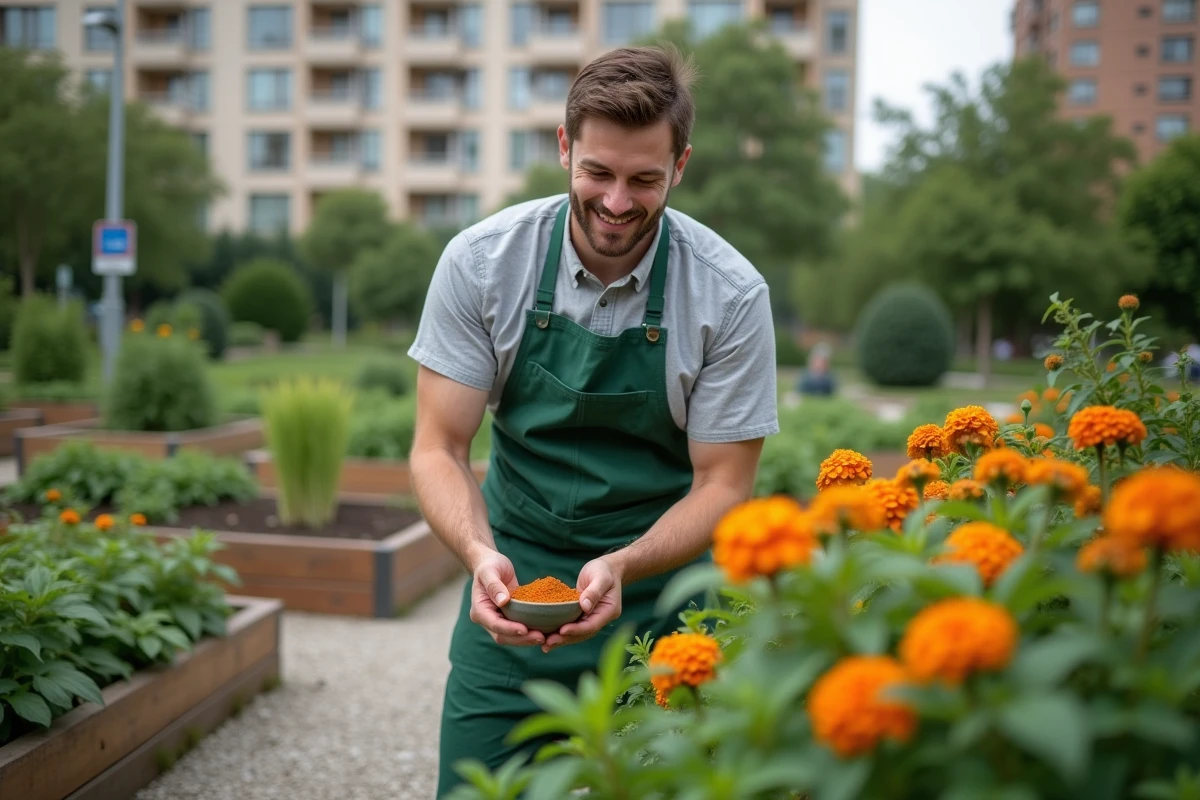
From Benefits to the Kitchen: How to Use Paprika for Health and in Your Recipes
Paprika does not just add a colorful touch to our meals. It proves to be a valuable ally for health, thanks to its richness in vitamins C, E, B6, and antioxidants. These nutrients help protect cells, strengthen the immune system, and contribute to skin radiance.
Capsaicin, also found in spicier peppers of the capsicum genus, is recognized for its anti-inflammatory properties. Paprika also promotes good digestion and stimulates blood circulation.
In the kitchen, its sweet or smoked powder transforms classic recipes. It enhances roasted vegetables, flavors soups and stews, and adds depth to the famous goulash of Central Europe. A few pinches are enough to elevate a marinade or give character to a creamy sauce.
Here are several concrete uses that illustrate its benefits in daily life:
- To stimulate hair growth, one can incorporate paprika into their diet: the iron and B vitamins it contains support scalp vitality.
- For skin health, regular consumption of paprika or its bell pepper cousins promotes better tissue oxygenation.
In summary, paprika stands out as the chameleon spice of our gardens and plates. Behind its red cloak, it infuses energy and creativity, from the vegetable garden to the table. A handful of powder, and a whole universe invites itself into your daily life.