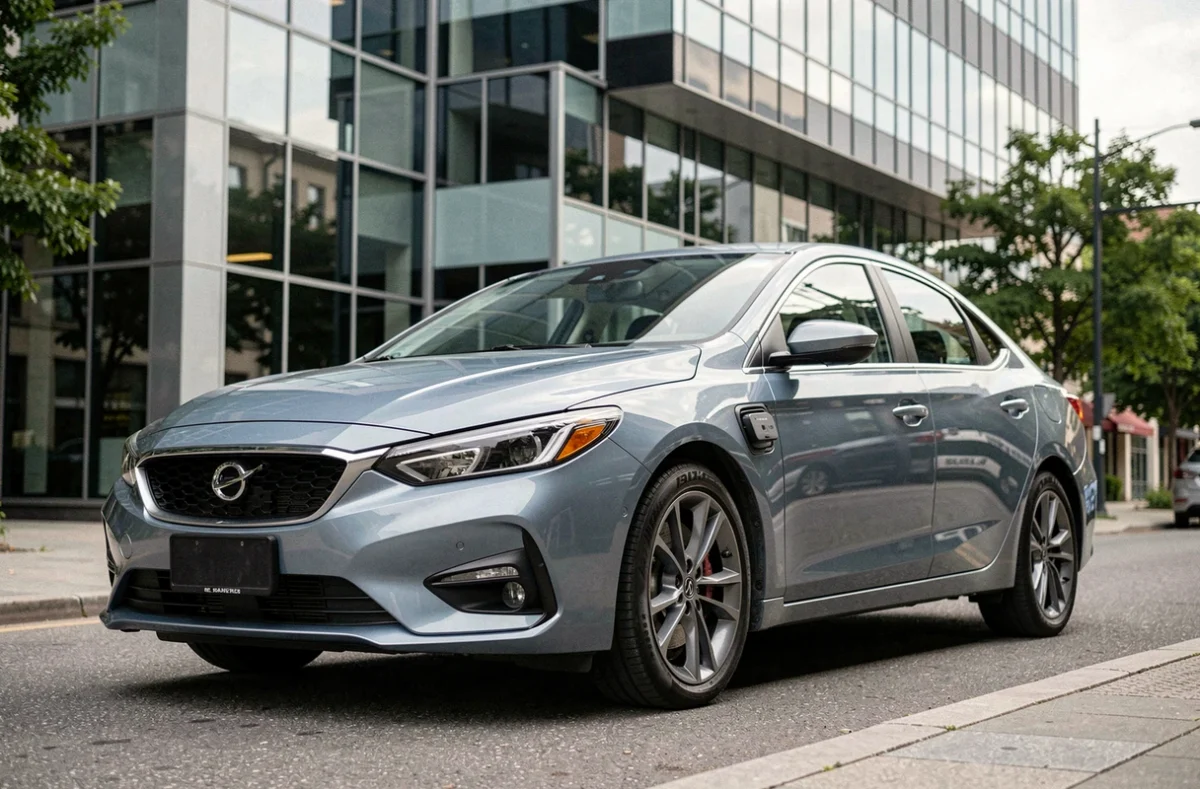
A hybrid car combines an internal combustion engine with an electric motor to reduce fuel consumption. This simple definition actually covers several technical configurations with very different performance levels. The hybrid car market is growing rapidly, driven by tighter tax rules, the arrival of new players and increased electric range in plug-in models.
CO₂ and weight penalties: how taxation is reshaping the hybrid market
The real cost of a hybrid car goes beyond its list price. French tax rules are playing an increasingly important role in the choice of powertrain, and regulations are changing fast.
The CO₂ penalty threshold will become stricter in 2027. Some hybrid models, despite their label, have certified emissions high enough to fall into the taxable range. Mild hybrids are the most exposed, as their electric motor only assists the combustion engine and cannot power the vehicle on its own.
The weight penalty adds another layer of complexity. Plug-in hybrids are heavier because of their batteries, but currently benefit from a deduction based on the power of their electric motor. According to the Paris Motor Show, this deduction could be revised, changing the financial appeal of some models. To compare costs, you should therefore check certified emissions and vehicle weight rather than relying on the “hybrid” label.
Before buying, browsing hybrid demonstrator cars on Exploractu makes it possible to compare technical specifications and the tax costs associated with each model.
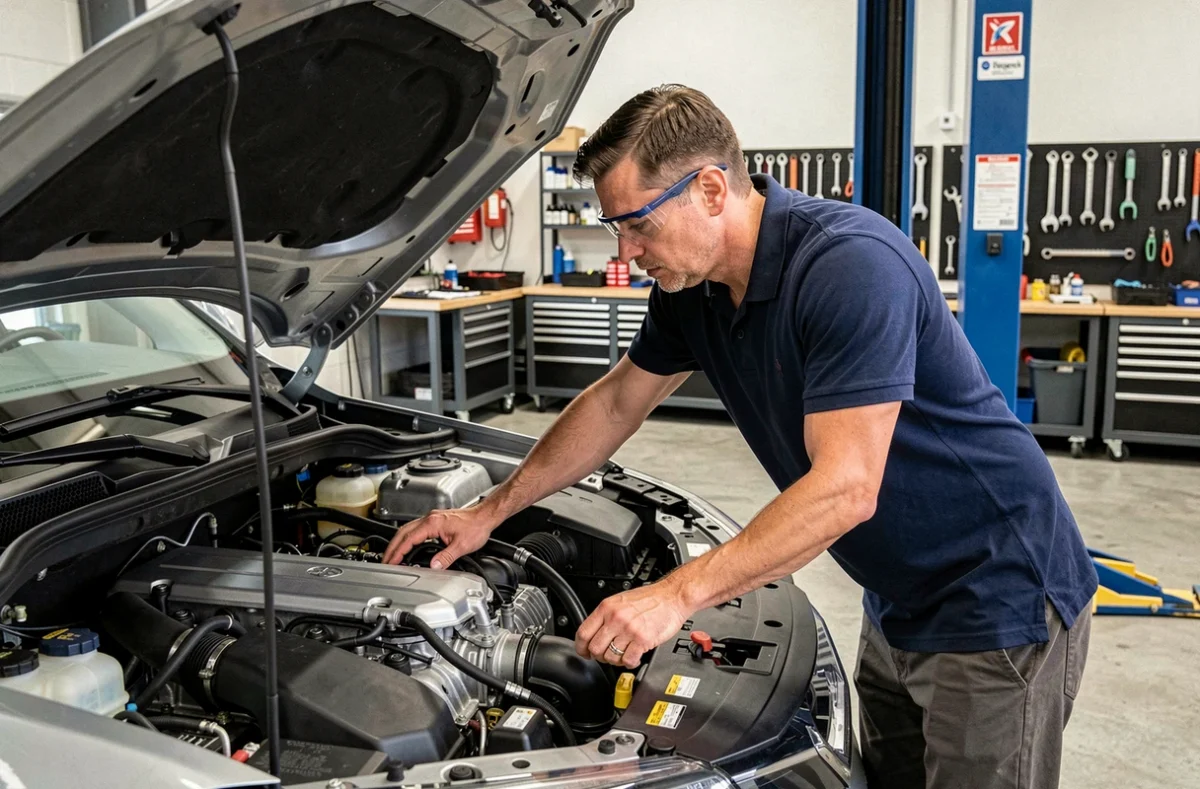
Plug-in or non-plug-in hybrid: two different approaches to fuel consumption
Confusion between these two categories is still common. In practice, however, they work very differently.
Full hybrid: the battery recharges itself
A full hybrid (HEV) recovers energy when braking and decelerating. Its small battery powers the electric motor for a few miles at low speeds. The driver never plugs the vehicle in. This type of hybrid reduces fuel consumption in the city and on mixed routes, but the electric motor has a limited impact on motorways.
Plug-in hybrid: electric driving for everyday use
A plug-in hybrid (PHEV) has a larger battery that can be charged from a household outlet or charging station. Recent models offer several dozen miles of electric range. For a short commute, the car can operate like an electric vehicle. On longer journeys, the combustion engine takes over without the need to stop and recharge.
The price difference between a PHEV and a full hybrid remains significant. The actual savings depend on how often the vehicle is charged: a PHEV that is never plugged in can use as much fuel as—or even more than—a full hybrid because of its heavier battery.
- Full hybrid: no external charging, automatic fuel savings in the city, moderate price premium over a conventional combustion-engine car.
- PHEV: must be charged to make use of electric mode, several dozen miles of electric range, higher price premium but sometimes more favourable tax treatment.
- Mild hybrid: simply assists the combustion engine, no electric-only mode, price close to that of a conventional combustion-engine car.
Chinese manufacturers enter France’s plug-in hybrid market
The competitive landscape in the hybrid market is no longer limited to Japanese and European brands. Chinese manufacturers are gaining a notable foothold in France’s plug-in hybrid segment, according to data from the PFA (French Automotive and Mobility Platform) reported in November 2026.
Brands such as Chery, through its Omoda and Jaecoo labels, offer technologically advanced hybrid SUVs at aggressively competitive prices. The Jaecoo 7, for example, combines four operating modes (electric, hybrid, combustion engine and charging while driving) in a compact format.
This pricing pressure is forcing established manufacturers to revise their line-ups. Toyota, long the benchmark for full hybrids, now faces direct competition in the plug-in segment. Renault positions models such as the Rafale E-Tech at the premium end of the French hybrid market. For buyers, the result is better-equipped plug-in hybrid models at the same price.
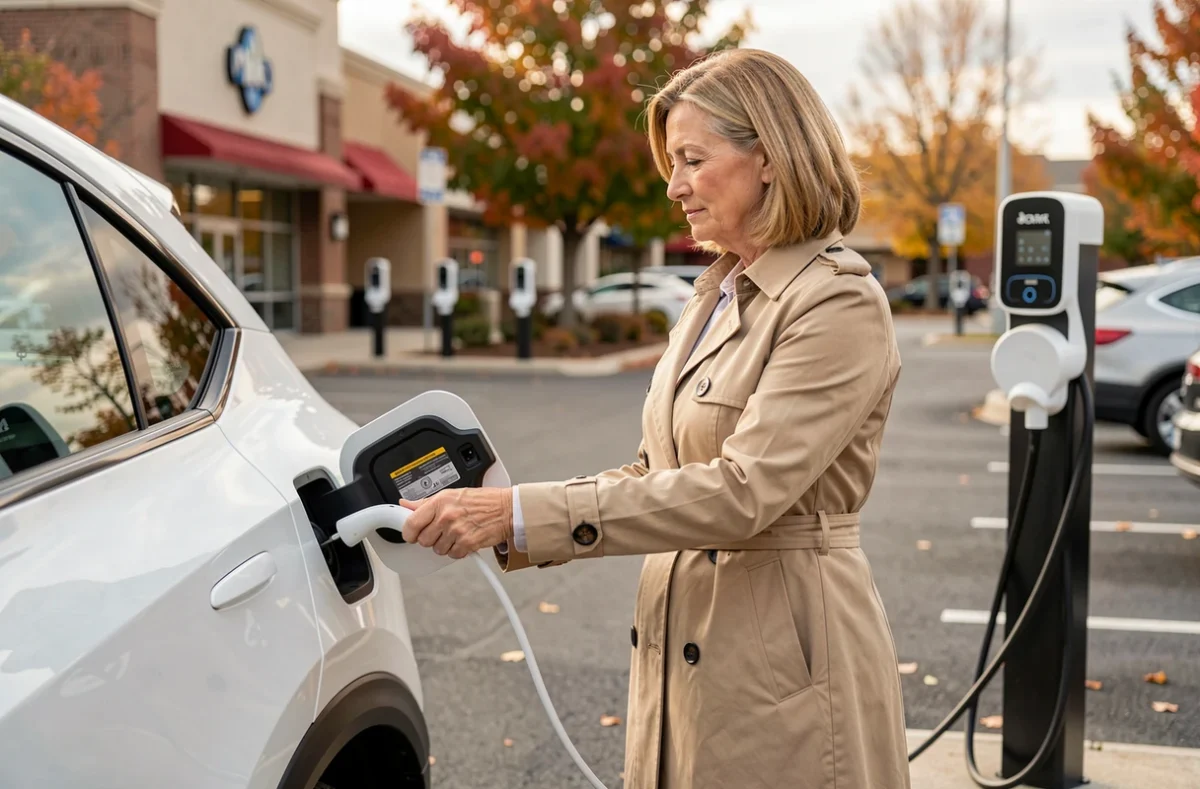
Back to hybrids: why some electric car drivers are changing course
An unexpected trend is emerging among electric car owners. According to the 2026 EV Index from HERE Technologies and SBD Automotive, 28% of surveyed electric vehicle drivers are considering a hybrid or range-extender model for their next purchase, up from 23% in 2025.
The reasons are practical. More than half of respondents have already cancelled a trip because of uncertainty about charging. Long journeys remain the main sticking point, even though two-thirds of users say range and charging have exceeded their initial expectations in everyday use.
Plug-in hybrids are becoming a compromise for drivers who want to drive electric every day without giving up long-distance travel. The dual powertrain removes the worry of running out of electric range while retaining quiet driving and energy recovery in the city.
Practical criteria for choosing a hybrid car in 2026
Choosing a hybrid depends on three measurable factors.
- Daily distance: for journeys of less than around 20 miles a day, with access to charging, a PHEV makes full use of its electric mode. For longer distances, a full hybrid offers better value for money.
- Total budget (purchase, tax, energy): check the CO₂ penalty applicable to the model you are considering and factor in the changes planned for 2027. A model that is exempt today may no longer be exempt in a few months.
- Access to a charging point: without regular access to a charger at home or work, a PHEV loses its main advantage. In that case, a full hybrid remains the most practical choice.
France’s hybrid market is entering a phase in which technology alone is no longer enough to justify a purchase. Taxation, international competition and real-world driving habits matter just as much as the technical specifications. Checking certified emissions, kerb weight and the applicable penalty scale remains the most reliable step before signing on the dotted line.