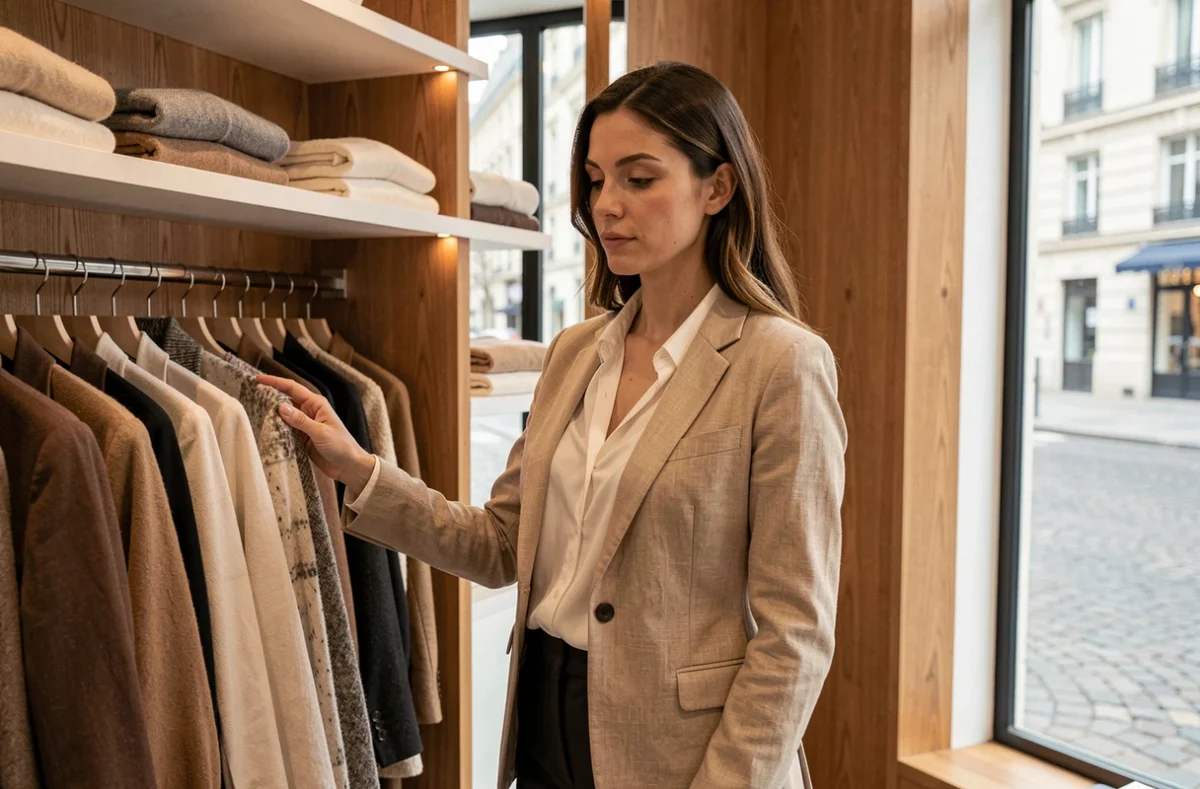
Refreshing your wardrobe isn’t just about buying new pieces every season. The real key to dressing elegantly is deciding, for each garment, whether to buy new, shop secondhand or have it repaired, based on its cost per wear rather than its purchase price. This approach changes the way you shop: it means assessing how durable a piece is, how versatile it will be with the clothes you already own, and what it will really cost over several years.
Cost per wear: the calculation that changes the way you shop for clothes
The price on the tag tells you very little about what a garment actually costs. A high-priced new coat worn for three winters costs less per wear than a discounted jacket worn for one season before it loses its shape.
For each piece you’re considering, divide the purchase price by the estimated number of times you’ll wear it. A €120 wool pair of trousers worn 80 times costs €1.50 per wear. The same style, bought secondhand for €45 in decent condition, costs less than 60 cents per wear. This simple calculation makes it easy to compare options that might otherwise seem incomparable.
Several shopping guides on Miss Marion’s shopping section illustrate this approach: identify the pieces you’re likely to wear most often before deciding where and how to buy them.
Repairs follow the same logic. Having a blazer altered or a trench coat lining replaced extends the garment’s lifespan, reducing its cost per wear. Refashion’s Repair Bonus helps cover certain clothing and footwear repairs carried out by participating professionals in France. Before replacing a piece, it’s worth checking whether the alteration you have in mind is eligible.
Secondhand in-store: why trying things on makes all the difference
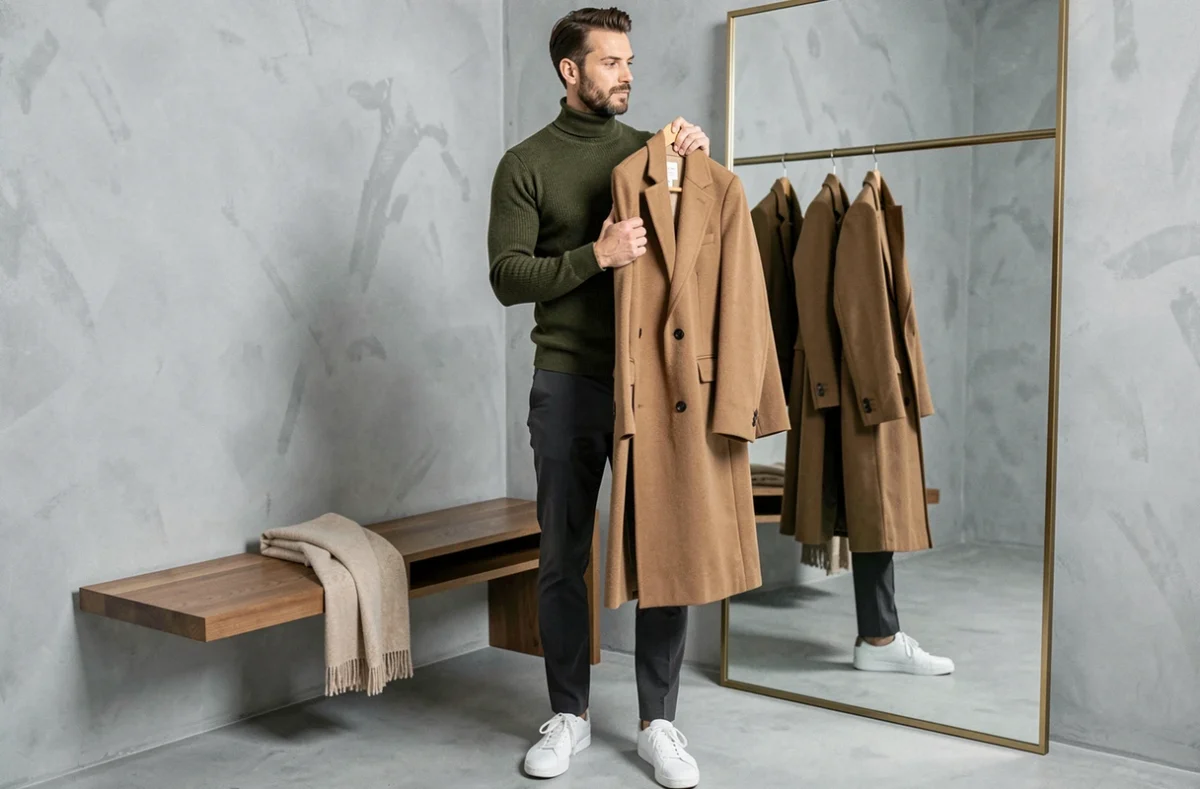
Online secondhand shopping has its limitations. Photos can be misleading, sizing varies between brands and across eras, and you can’t feel the fabric. These drawbacks help explain why in-store secondhand sections are becoming more popular.
A PwC Strategy& study cited by the Alliance du Commerce found that, among the brands surveyed, in-store initiatives often performed better than digital ones for collecting and immediately redeeming shopping vouchers.
Shoppers were also more likely to buy a mix of new and circular products. These findings apply to the companies surveyed and don’t represent the entire market, but the reasoning is clear: being able to inspect a seam, check the drape and try different combinations on the spot reduces the risk of getting it wrong.
In practice, embracing this trend means changing the way you shop:
- Start at the store’s secondhand section to find quality pieces at reduced prices, checking the condition of the details (buttons, fastenings and hems).
- Then compare them with new items in the same clothing category, considering cost per wear rather than price alone.
- Set aside a budget for alterations to tailor a secondhand piece to your shape, giving it a finish as polished as a new purchase.
Environmental labels on clothing: a criterion for more sustainable style
Environmental labelling for clothing has entered a new phase in France. The scheme aims to provide a rating or score for an item’s environmental impact, much like the Nutri-Score for food.
When refreshing your style elegantly, this tool adds an objective criterion beyond cut and colour. Two similar-looking blouses can have very different scores depending on the fabric composition, where they were made and the dyeing processes used. The label doesn’t replace checking the quality or drape, but it can help you choose between two comparable options.
The scheme doesn’t yet cover every brand. Until it becomes more widespread, checking the fabric composition (the percentage of natural fibres and whether recycled materials are used) and looking for existing certifications are useful habits for any purchase, new or secondhand.
Budget per outfit: a practical way to refresh your style
Setting an overall seasonal budget often leads to impulse buys at the start of the season, followed by frustration. A more considered approach is to set a budget for each complete outfit, including accessories.
You could set a fixed budget for a transitional-season outfit (jacket, top, trousers and shoes). Then divide that amount between the three ways of acquiring clothes:
- Buy new for items that get heavy daily wear (shoes and underwear), where their condition from the outset matters.
- Shop secondhand for wardrobe staples (blazers, coats and dresses), making the superior construction of higher-end brands more affordable.
- Repair or alter pieces you already own that just need a small adjustment (shortening, taking in or replacing a fastening).
This decision-making framework turns shopping into a considered choice. It helps you avoid the trap of low prices: a €3 T-shirt worn five times before it loses its shape costs more per wear than a secondhand heavyweight cotton one bought for €12 and worn for two years.
Check how versatile a piece is before buying
One final check can help keep your wardrobe looking polished: before committing to a purchase, ask yourself whether the piece will work with at least three outfits you already own. A versatile piece gets worn more often, bringing down its cost per wear and justifying a higher investment, whether it’s new or secondhand.
This simple test helps rule out impulse buys that end up at the back of the closet. It works just as well in front of a rail at a thrift store as it does on a fashion website. Lasting elegance is built one piece at a time, by choosing each garment for what it adds to your existing wardrobe—not just for the novelty it represents on its own.