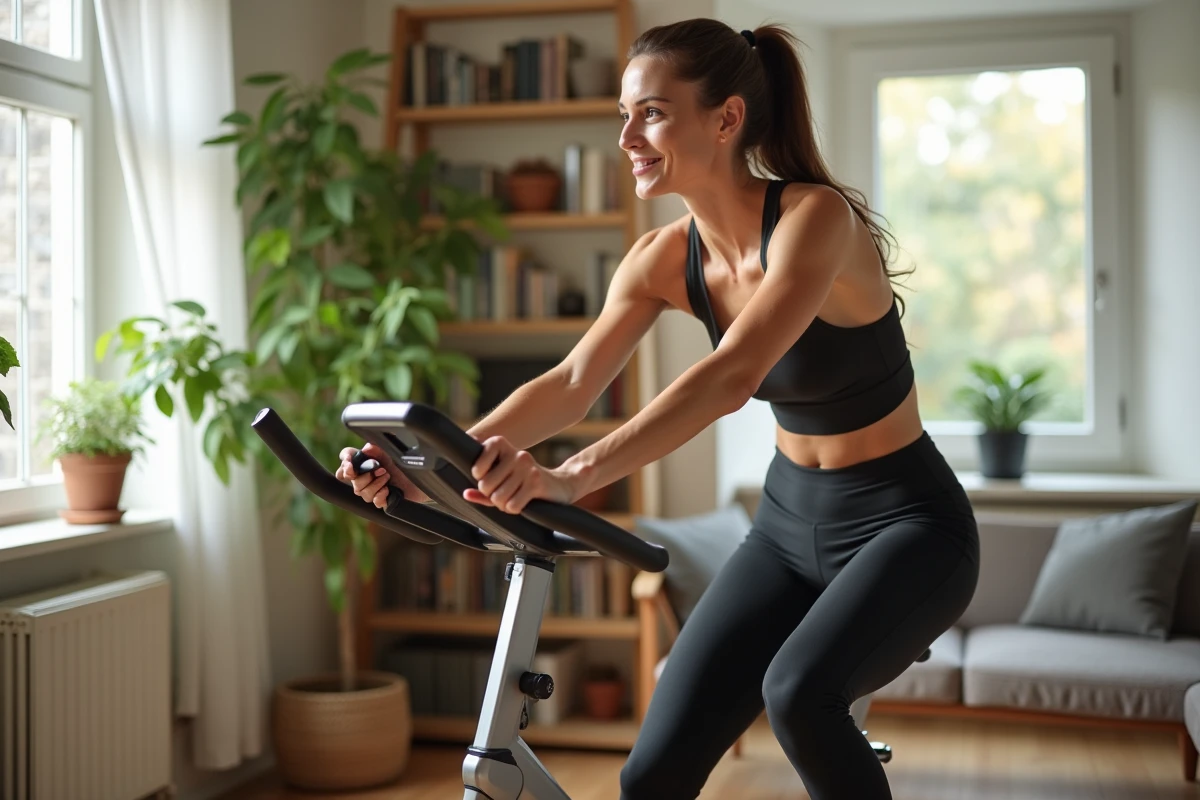
An exercise bike with magnetic resistance does not automatically lead to a more effective workout than a model with mechanical resistance. Some very expensive models feature connected programs without any real improvement in training quality. Conversely, an ergonomic seat or precise handlebar adjustment can transform the experience, regardless of the displayed price.
The choice therefore does not rely on the latest technology or the promise of spectacular innovations, but on the match between the offered features and the specific needs of the user. Comparison criteria reveal unexpected gaps between models.
For every profile, its exercise bike: how to navigate among all the models?
To find the exercise bike that truly suits you, you need to know where you are going and why. Beginners tend to lean towards a classic upright model: stability, simplicity, accessible adjustments. This choice allows you to get started at your own pace, without unnecessary complexity. For rehabilitation or for seniors, the recumbent bike is essential. Comfortable backrest, easy access, posture that spares the back: everything is designed to secure and prolong the effort, session after session.
For those looking to increase the intensity, the spinning bike changes the game. With its sturdy resistance and massive flywheel, it replicates the sensation of road cycling. Athletic profiles adopt it for cardio training or targeted preparation. And if space is limited, the foldable bike stands out: compact, discreet, it meets occasional use needs.
Behind the diversity of models, there are real needs: weight loss, endurance training, muscle strengthening, or simply maintaining fitness. Overweight individuals appreciate the absence of impact, which signifies progress without injury. For a detailed overview, the site velo-appartement.org offers comparisons and user feedback to find the model that fits your profile.
The criteria that truly make a difference for effective home training
Smooth pedaling and resistance: the winning duo
Everything starts with the weight of the flywheel: 6 kg is sufficient for occasional use, 12 kg or more if aiming for intense sessions. The heavier the flywheel, the more enjoyable, quiet, and smooth the pedaling experience. On the resistance side, there are several options: mechanical for tight budgets, magnetic, manual or motorized for regular training, and electromagnetic on professional devices. Each system modulates the difficulty and the precision of the adjustments.
Comfort, adjustments, and ergonomics
Effectiveness does not come without comfort. An adjustable seat in height and depth, an adjustable handlebar: these details change everything for the back, posture, and fatigue management. The stability and robustness of the frame are crucial, especially for heavier users or during intense workouts.
Console, connectivity, and programs
Onboard, the console provides information on speed, distance, time, calories burned, power, and sometimes heart rate via a connected belt. Connected models sync data with a tablet or smartphone, to track progress, share routes, or diversify training programs. This range of features fuels motivation day after day.
Comparison of the main types of exercise bikes: strengths, limitations, and buying tips
Classic, recumbent, spinning: distinctly different uses
The classic exercise bike remains the choice for simplicity: upright position, basic adjustments, perfect for getting started without hassle. The downside is sometimes a flywheel that is too light, leading to a lack of smoothness in entry-level models.
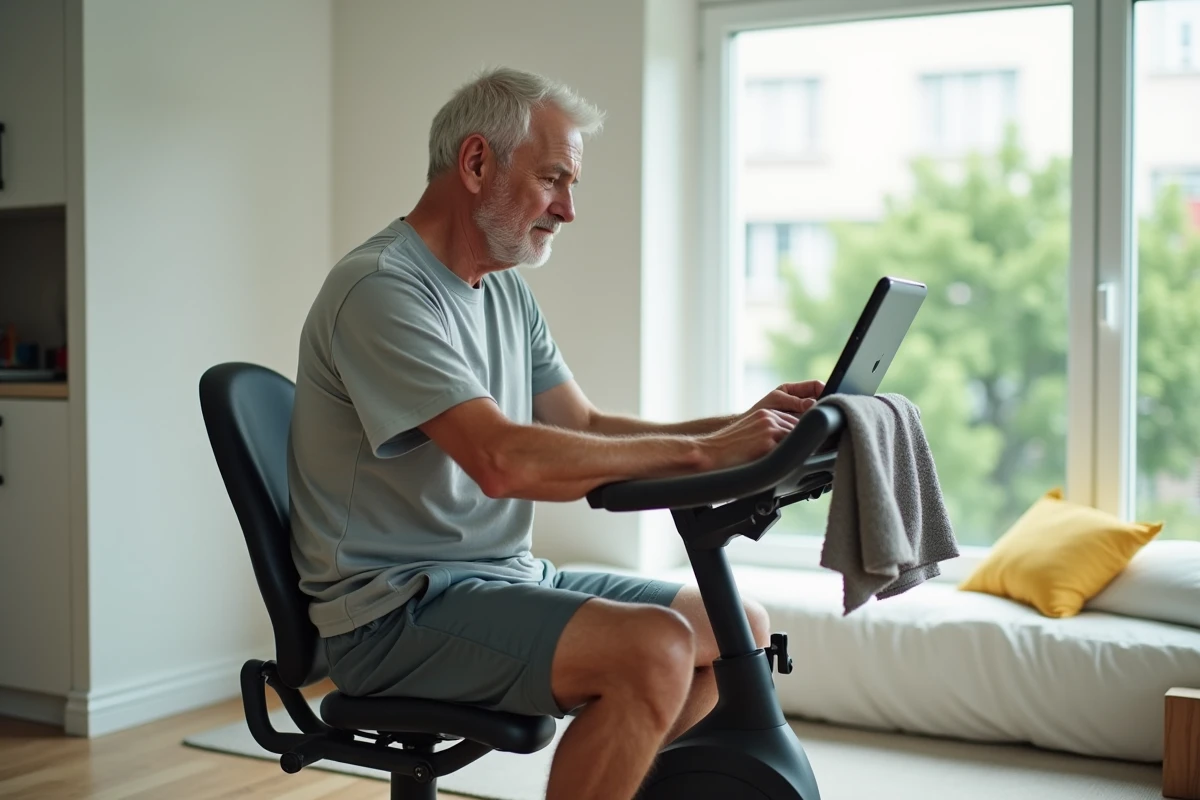
The recumbent bike is aimed at those who want to combine comfort and safety: seniors, individuals in rehabilitation, or those with fragile backs. Backrest, easy access, semi-reclined posture, everything is designed to protect the joints and extend session duration. The only downside is that it takes up more space.
For performance, the spinning bike is essential. Belt drive, flywheel weighing 16 to 22 kg, resistance via pads or magnetic: the sensations are close to those of a road bike. Spinning enthusiasts find it appealing, even if the sporty seat and lack of backrest may not suit everyone.
Here are the main variants to consider based on your constraints or requirements:
- Foldable bike: practical for small spaces and occasional use, it stores easily but may lack stability during prolonged use.
- Ergometer bike: designed for rehabilitation or demanding users, it features precise electromagnetic resistance and medical monitoring of effort.
Before making a decision, ask yourself about the primary use: weight loss, cardio training, rehabilitation, or intensive sports sessions. Compare the flywheel, the type of resistance, and the extent of connectivity based on the frequency of sessions. Some self-powered or connected models appeal with their autonomy and variety of programs.
Choosing your exercise bike means adjusting your ambitions to the reality of your space, pace, and motivation. Between technological promises and concrete needs, the best option remains the one that makes you want to get back on it, again and again.