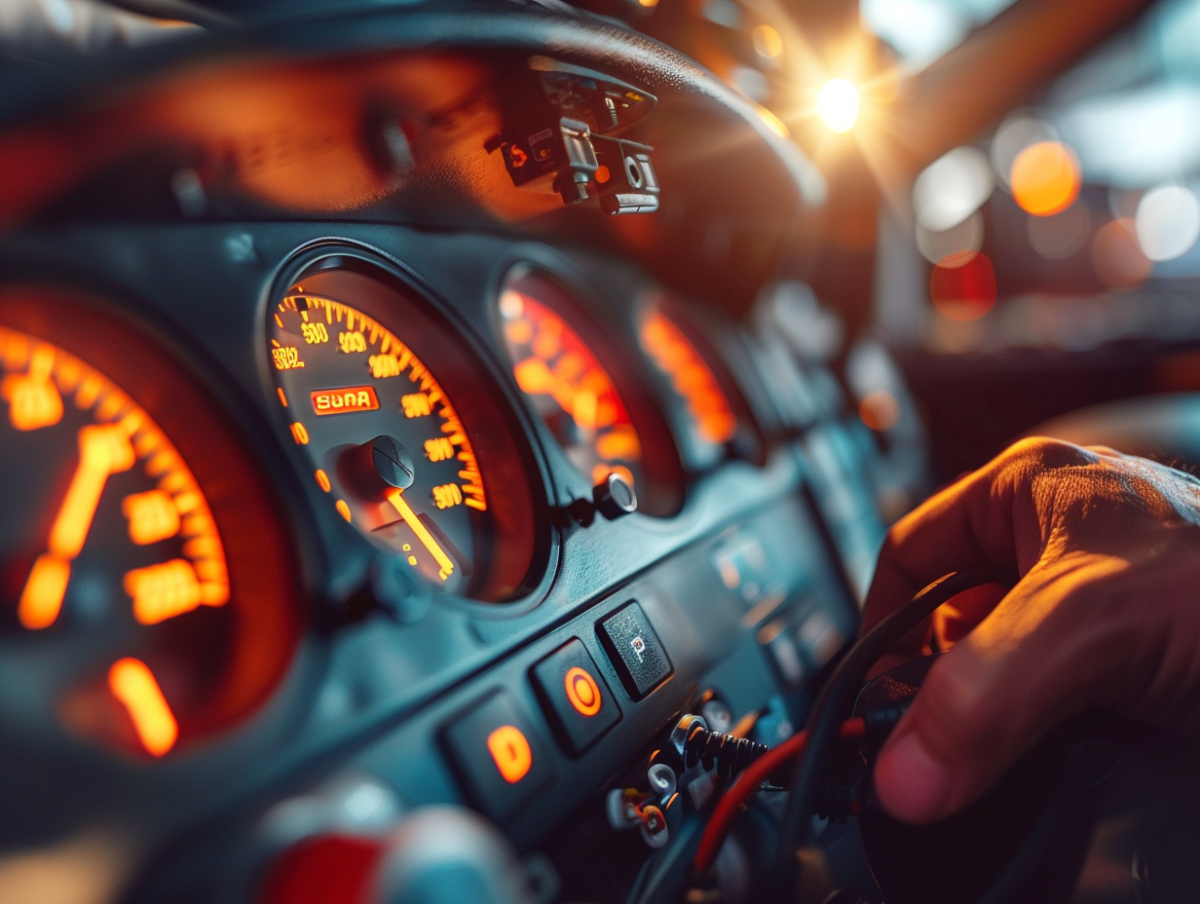
Confronted with warning signals on the dashboard, drivers often find themselves in a state of confusion regarding their vehicle’s performance issues. These warning lights, designed to indicate malfunctions, can signal minor concerns or critical warnings requiring immediate attention. Understanding these signals and knowing the steps to diagnose and resolve these issues is crucial for keeping the car in good working order, ensuring the safety of the driver and passengers, and avoiding costly repairs in the long run.
Dashboard Warning Light Diagnosis: Identifying Alert Signals
The dashboard lights are not just simple lights; they constitute an essential language for communication between the machine and its driver. Each color – red, orange, green, and blue – carries a specific meaning, ranging from critical problems to simple informational indicators. A red light, for example, may indicate a dangerously low brake fluid level or overheating coolant, requiring an immediate stop of the vehicle to avoid significant damage.
When lights such as the STOP light, the airbag indicator, or the anti-theft system illuminate in red, caution is warranted. These alerts indicate safety issues that threaten the integrity of the vehicle and the safety of its occupants. A quick and accurate diagnosis is needed to pinpoint the problem and restore the vehicle’s full capacity. In contrast, an orange light, such as that of the ESP accompanied by a loss of power, suggests a reduction in speed and a need for professional consultation without delay. While a lit ESP on and loss of power may indicate problems with the engine management system or injection, corrective and preventive actions are recommended to avoid further deterioration.
Green and blue indicators, which are less alarming, provide information about the status or activation of certain functions, such as high beams or turn signals. Do not underestimate this information: it contributes to the proper functioning and safety of driving. Take these signals into account and act accordingly to ensure the longevity and optimal performance of your vehicle.

Troubleshooting Performance Issues Related to Dashboard Warning Lights
When a red light illuminates on the dashboard, the reaction must be immediate: carefully stop the vehicle. Check fluid levels such as coolant, brake fluid, engine oil, and ensure the battery is functioning properly. In the case of signals like the airbag light, anti-theft system, or STOP light, the complexity of onboard systems requires professional intervention. Do not attempt to resolve these issues yourself, as they often require advanced electronic diagnostics and a deep understanding of the vehicle.
When an orange light illuminates, indicating, for example, a motor anomaly, a wrench icon, or a tire pressure alert, driving should be moderated and a visit to a specialist planned. The issues indicated by these lights can range from a faulty EGR valve to pollution control system problems, or even concerns regarding fuel consumption. Recommended actions vary depending on the nature of the alert: an illuminated injection or engine management system light may signify a loss of power and require prompt repair to avoid further engine damage.
As for the green and blue lights, which provide information about the activation of high beams or turn signals, stay informed about their meaning and act accordingly. Although they are less critical, they play a key role in the safety and efficiency of your driving. Regular maintenance of your vehicle, including checking brake pads and lights, helps maintain good performance and prevent more serious problems.