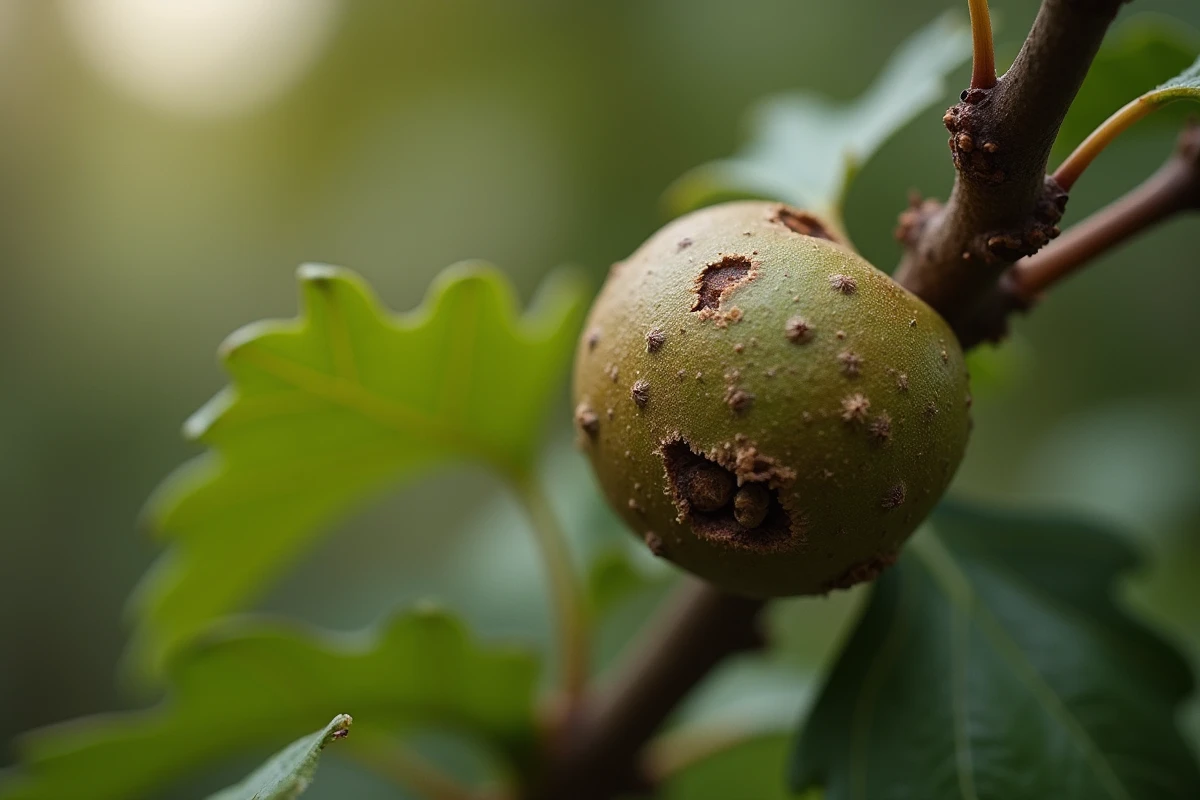
The oak gall is a plant growth produced by the tree itself in response to the laying of eggs by an insect, most often a small wasp from the family of cynipids. This deformation, visible on leaves, buds, or branches, is not a transmissible disease to humans. The confusion with scabies, caused by a parasitic mite of the skin, perpetuates a largely unfounded concern.
Oak gall and human scabies: why the confusion persists
The main misunderstanding lies in the phonetic proximity between two terms that refer to unrelated biological realities. Human scabies is a parasitic skin condition caused by the sarcoptes, a microscopic mite that burrows under the skin and triggers intense itching. The oak gall, on the other hand, is an hypertrophied plant tissue, a sort of nourishing chamber that the tree builds around the insect larva.
Online research results amplify this confusion. Queries typed by internet users frequently associate the words “gall,” “oak,” “skin,” “itching,” or “treatment,” as if the plant gall could cause a skin infection. In reality, there is no parasitic link between the oak gall and human skin. The cynipid that lays eggs in the plant tissue does not attack mammals.
To better understand the danger of oak gall for humans, it is important to distinguish the direct risk (none from a parasitic standpoint) from the indirect risk associated with handling plants, which requires some precautions.
Mechanism of gall formation on the oak
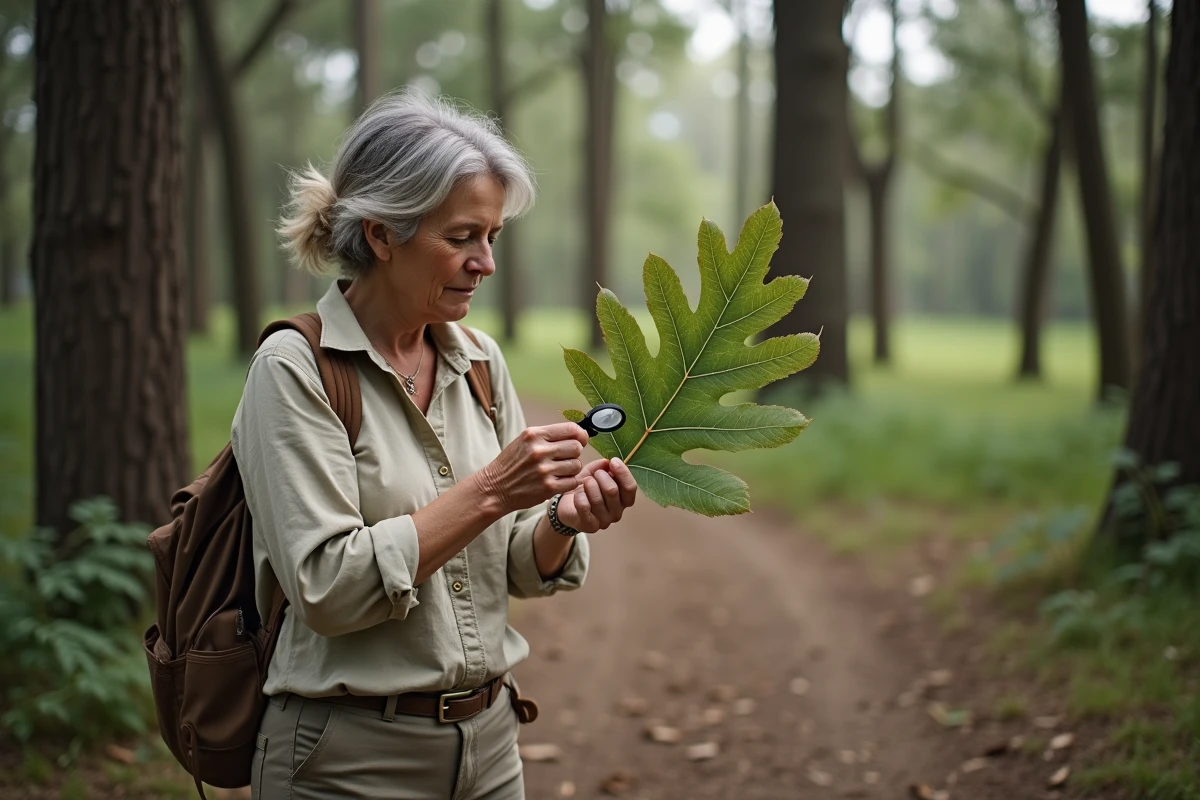
The cycle begins when a female cynipid pierces a bud or leaf to lay her eggs. The sting releases chemical substances that divert the tree’s cell growth. Instead of producing normal leaf tissue, the oak creates a spherical structure, spongy or woody depending on the species of wasp involved.
This gall functions as a shelter and a food source for the larva that develops inside. Some species, such as Biorhiza pallida, exhibit a cycle alternating between two distinct generations: a sexually reproductive generation and a generation composed solely of females, each producing a different type of gall on different parts of the oak.
Plant health reports regularly indicate the presence of galls on oaks without considering them a major health threat to the tree. Their impact on the overall vigor of the oak generally remains low, except in cases of massive and repeated infestations over several seasons.
Real risks when handling oak galls
Contact with an oak gall does not cause infection or parasitism. The practical risk concerns rather those who work regularly outdoors (gardeners, pruners, hikers) and who handle branches or leaves without protection.
Three situations may warrant caution:
- Allergic individuals may react upon contact with plant residues, dust from dry galls, or debris from insects lodged in the growths. A localized skin irritation, unrelated to parasitic scabies, is then possible.
- The confusion with other truly irritating pests, such as processionary caterpillars, sometimes leads to disproportionate panic reactions in response to simple galls.
- Scratching or crushing galls with bare hands may expose one to micro-cuts, potential entry points for common infections if hands are not washed afterward.
No chemical measures are necessary to protect humans from oak galls. The issue is limited to avoiding direct contact during pruning or collecting work.
Protection and practical gestures against oak galls
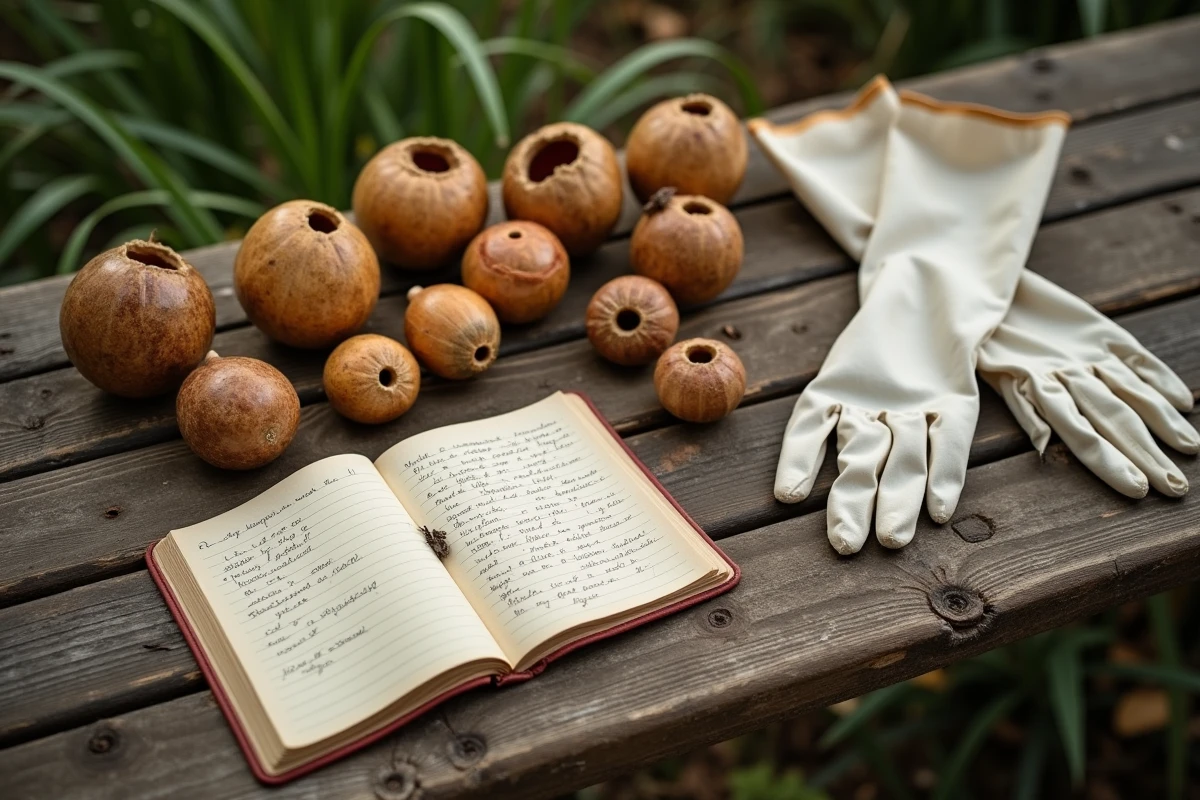
The useful precautions are simple and purely mechanical. They are common sense for any handling of plants, galls or not.
- Wear gardening gloves when pruning oaks or collecting leaves, especially in autumn when dry galls detach easily.
- Put on covering clothing (long sleeves, pants) to limit skin contact with plant debris.
- Wash hands and forearms with soapy water after any gardening session, even without visible contact with galls.
- Correctly identify the nature of the growth before becoming alarmed: a round, smooth gall on an oak leaf has nothing to do with a nest of processionary caterpillars or a fungal infection.
Should galls be removed from the tree?
Manually removing galls does not provide any significant benefit to the tree. The larva has already left the gall or completed its development by the time the growth becomes visible and dry. Pruning branches bearing galls only creates wounds on the oak, which may favor the entry of pathogenic fungi that are far more problematic than the cynipid itself.
The best strategy remains observation without intervention. If the infestation appears abnormally dense on a young subject, consulting an arboriculture specialist allows for assessing the situation without unnecessary chemical treatment.
Differential diagnosis: when to consult a dermatologist
If itching or skin lesions appear after contact with plants, the pertinent question is not “did the oak gall contaminate me” but rather “what irritating agent did I actually touch.” A dermatologist can distinguish a simple contact dermatitis (reaction to a plant allergen) from true scabies caused by sarcoptes, which is transmitted exclusively through prolonged skin-to-skin contact with an infected person.
The symptoms of human scabies (visible burrows, intense nighttime itching, localization between the fingers or at the wrists) have no connection with the handling of plant galls. A quick dermatological diagnosis allows for directing towards the right treatment and avoiding weeks of worry based on misleading homonymy.
The oak gall remains primarily a fascinating botanical phenomenon, a testament to a complex interaction between an insect and its host tree. The only tangible risk to humans lies in the vocabulary confusion that leads to searching for a medical problem where there is none.