
Audika and Amplifon are the two largest networks of audiologists in France. Audika, founded in 1977, is part of the Danish group Demant, which also manufactures Oticon devices. Amplifon, of Italian origin, operates in more than twenty countries. Comparing these two brands involves understanding how their business model and technological strategy influence the choice of hearing aids, the price paid, and the quality of follow-up.
Demant Group vs. Amplifon Group: What the Parent Company Changes for the Patient
Most comparisons align lists of services without explaining why the two brands do not offer the same experience. The answer lies upstream, in the structure of their respective groups.
Audika is integrated into the Demant group, which owns the Oticon hearing aid brand. This vertical integration means that Audika has privileged access to Oticon products, even exclusive access to certain models. The downside: the catalog offered at the center naturally leans towards this brand, which reduces the diversity of choices for the patient.
Amplifon operates differently. The group does not manufacture hearing aids. It distributes products from several manufacturers (Phonak, Oticon, Signia, among others) and simultaneously develops its own private label, Amplienergy. This multi-brand distributor position offers, on paper, a broader range. Before making an appointment, consulting a review of Audika or Amplifon helps to better understand the feedback on this catalog difference.
The direct consequence is simple: at Audika, the audiologist’s recommendation will often be oriented towards Oticon. At Amplifon, the selection will depend more on the hearing loss profile, but also on the commercial agreements negotiated by the network with each manufacturer.
Applications and Remote Adjustment: Two Visions of Digital Follow-Up
Remote follow-up has become a selection criterion for people who cannot frequently visit a center. Both brands offer digital solutions, but their philosophies diverge.
Amplifon deploys its own application (Amplifon App) that centralizes remote adjustments, simplified hearing tests, and contact with the audiologist. The goal is to create a unified ecosystem, regardless of the manufacturer of the device worn. This remote adjustment allows for parameter adjustments without a physical appointment.
Audika relies on the applications of the Demant group, primarily Oticon Companion. The experience is effective on Oticon devices, but it remains brand-centric. For a patient equipped with a device from another manufacturer available at Audika, the digital follow-up will be less integrated.
The choice between the two depends on the relationship with digital technology. People who want a single interface managed by their brand will find Amplifon’s approach more coherent. Those who prioritize Oticon technology will benefit from very detailed follow-up through the Demant ecosystem at Audika.
Class 1 and Class 2 Hearing Aids: Different Commercial Behavior
Since the full implementation of the 100% Health system, two categories of devices coexist. Class 1 includes hearing aids with no out-of-pocket costs, fully covered by Social Security and supplementary health insurance. Class 2 corresponds to newer models or those with advanced features, with a variable out-of-pocket cost.
Analyses from UFC-Que Choisir and Drees have highlighted a trend: large networks have oriented their sales more towards Class 2 than independent audiologists, who remain more active in Class 1. This observation applies to both Audika and Amplifon.
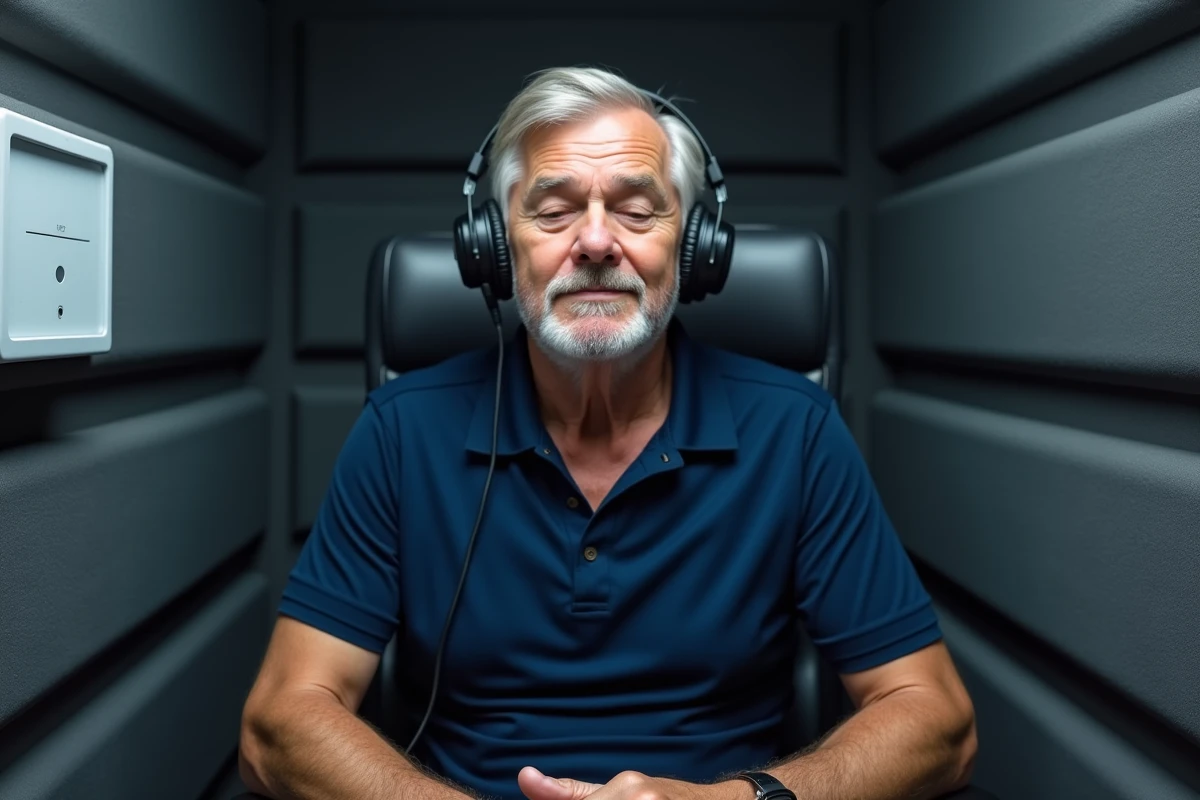
For the patient, the question to ask is precise: does the Class 2 device offered provide a measurable auditory benefit compared to the Class 1 model, or does the difference mainly concern accessory comfort (Bluetooth connectivity, wireless charging, design)? The audiologist must be able to justify the Class 2 recommendation through a comparative test in the booth.
- Always ask to try a Class 1 device before validating a Class 2 model, even if the audiologist does not spontaneously offer it.
- Compare the standardized quote provided by each brand: it details the price of the device, the cost of follow-up over four years, and the exact out-of-pocket cost.
- Check if the center offers varied brands in Class 1, as some networks limit the choice to one or two references in this category.
Care Pathways and Coordination with the ENT: An Underestimated Angle
The choice of a brand is not limited to the device. The audiologist-ENT follow-up determines the quality of the fitting over time, especially for progressive hearing losses.
Audika has developed a strategy for integrated care pathways, supported by the Demant group. The brand emphasizes enhanced coordination with ENTs, particularly for remote follow-up of chronic hearing-impaired patients. This approach structures follow-up over several years, with regular assessments shared between the center and the prescribing physician.
Amplifon focuses more on the direct relationship between the patient and the audiologist in the center, with access to data via the application. Coordination with the ENT exists but relies less on a protocol formalized by the parent company.
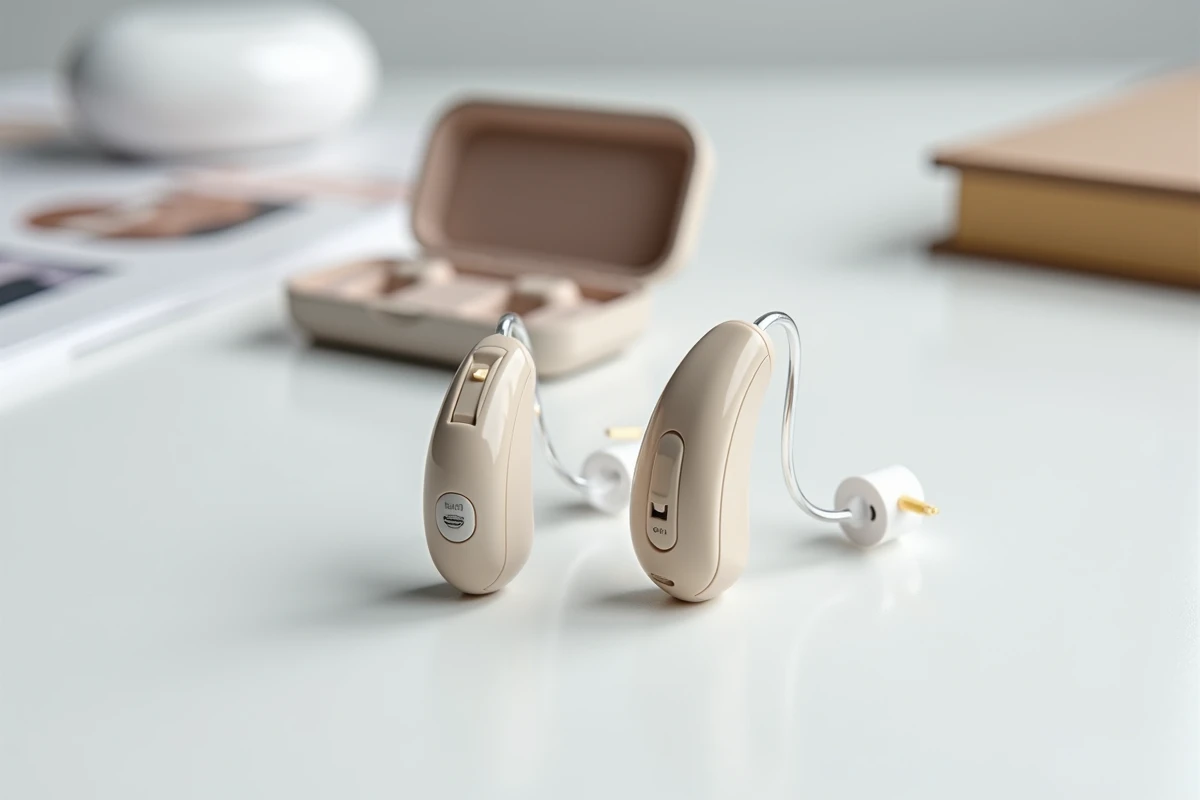
In practice, the quality of follow-up depends as much on the individual audiologist as on the brand. Two Audika centers or two Amplifon centers in the same city can offer very different levels of service. Geographic proximity and the availability of the professional count at least as much as the name on the storefront.
- During the first appointment, assess whether the audiologist takes the time to analyze the ENT audiogram in detail or settles for a quick test in the booth.
- Ask how follow-up occurs at six months and one year: number of included appointments, possibility of remote adjustment, time to obtain an appointment.
- Inquire about the replacement policy in case of breakdown: loan device, repair time, coverage during the warranty period.
The Audika network has about 600 centers in France, while Amplifon has around 700. This comparable density means that the geographic criterion will rarely differentiate the two brands in urban areas. In rural areas, checking the actual presence of a center within thirty minutes remains the first reflex before any brand comparison.
Choosing between Audika and Amplifon ultimately comes down to balancing an integrated technological ecosystem around Oticon and a multi-brand model driven by a proprietary application. The 100% Health system guarantees a fitting with no out-of-pocket costs in both cases, provided that a Class 1 device trial is required before signing.